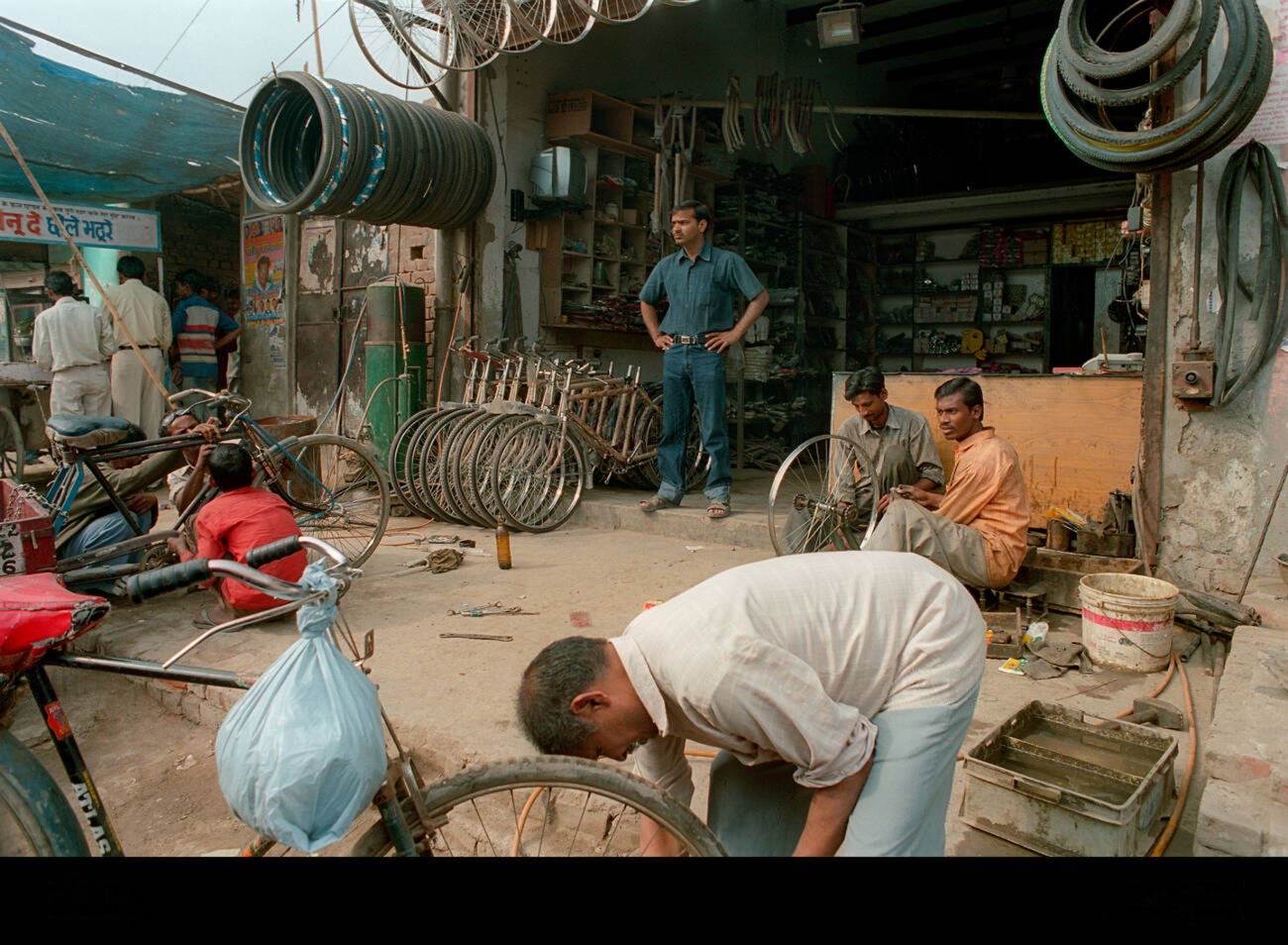

For independent bicycle retailers, the spare parts section is more than just a wall of products it’s the operational heartbeat of your service department. When managed well, it’s a consistent profit center and a tool for building customer loyalty. When managed poorly, it becomes a source of constant frustration, missed sales, and operational delays. This is the story of how one shop, “Neighborhood Wheels,” turned their chaotic, underperforming parts storage into a strategic asset that boosted service revenue, customer satisfaction, and overall shop health. Their transformation wasn’t about a massive investment, but a fundamental shift in mindset: viewing the parts wall not as a cost, but as a critical profit engine.
The Challenge: The High Cost of a Reactive Parts Strategy
Neighborhood Wheels was stuck in a reactive cycle common to many shops. Their approach to spare parts was haphazard, leading to several critical and costly issues:
- The Downtime Domino Effect: A simple repair would often stall because a common inner tube or brake pad was out of stock. This meant unfinished jobs, disappointed customers, and mechanics waiting idly—eroding both revenue and reputation.
- Capital Locked in the Wrong Places: Money was tied up in slow-moving, obscure parts that rarely sold, while they frequently ran out of high-demand items their local riders needed every week.
- Lost Sales & Eroded Trust: Customers seeking quick fixes for worn chains, tires, or brake pads were often told to “come back next week.” Many didn’t return, opting for competitors or online retailers, breaking the chain of trust and repeat business.
- Inefficient Service Workflow: Mechanics spent valuable time searching through disorganized bins or placing emergency orders for basic items, reducing the number of billable hours they could complete each day.
The Strategic Pivot: Building an Intelligent Parts Ecosystem
The owner realized that to grow their service business—the true engine of stable profit—they needed to treat their parts inventory with strategic intent. They moved from chaotic, guesswork-based ordering to building a smart, demand-driven parts ecosystem. The transformation was built on three core pillars.
Pillar 1: The 80/20 Inventory Rule & Strategic Categorization
They stopped trying to stock everything and started focusing on what mattered most.
- Identifying True “Fast-Movers”: They analyzed years of service tickets and sales data to identify the 20% of parts that drove 80% of their volume and revenue. This became their non-negotiable “Always In-Stock” list.
- ABC Analysis for Clarity: They categorized their parts simply:
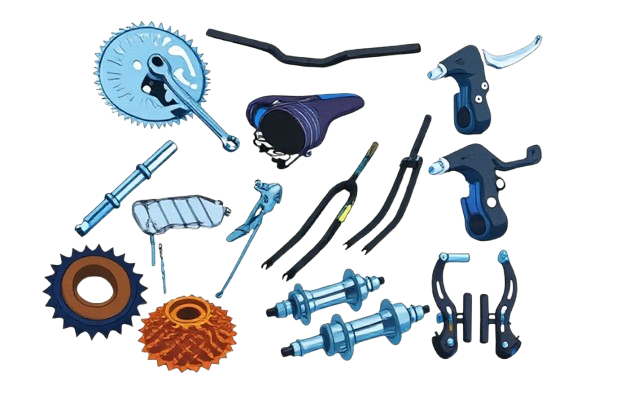
- A-Items (High-Turnover Essentials): Chains, cassettes, brake pads, inner tubes, cables, and popular tires. These received the most investment and prime wall space.
- B-Items (Regular Needs): Specific derailleur hangers, spokes, headsets, and pedals. These were stocked reliably but in smaller quantities.
- C-Items (Specialized/Slow): Unusual parts for vintage or niche bikes. These were sourced only on-demand or kept in minimal stock.
Pillar 2: Organizing for Speed & Efficiency
They redesigned the physical layout of their parts department to serve speed and accuracy.
- Visual Management & Accessibility: “A-Items” were placed at eye level in clearly labeled bins. High-turnover items like tubes and pads were organized by size/type for instant grabs.
- The “Service Bay” Kit: They created mobile carts with pre-stocked kits of the most common repair items (common bolts, cables/housing, grease), allowing mechanics to save trips to the parts wall.
- Clear Re-order Triggers: They established simple visual minimum stock levels (like a marked line in a bin). When stock hit that line, it was automatically added to the next wholesaler order.
Pillar 3: Bundling & Proactive Service Prompts
They used their now-reliable parts stock to create new revenue streams.
- The “While You’re At It” Bundle: When a customer brought in a bike for a new chain, staff were trained to check the cassette and chainrings, naturally bundling the full drivetrain refresh for increased transaction value.
- Promoting Preventative Maintenance Kits: They created and displayed service packages like “Monsoon Ready Kit” (new brake pads, cables, degreaser) or “Seasonal Overhaul Bundle,” making it easy for customers to buy into higher-value services.
The Role of the Wholesaler: The Unseen Foundation of Reliability
Critically, Neighborhood Wheels’ new strategy was completely dependent on a wholesale partner that could support this model of precision and predictability. Their chosen partner became an extension of their operations by providing:
- Consistent Core Supply: Guaranteed availability of the high-turnover “A-Item” essentials, ensuring the shop’s core service offerings were never compromised by supply chain delays.
- Streamlined Reordering: An efficient ordering system that made restocking their curated list a quick, weekly routine rather than a complex, time-consuming chore.
- Data-Driven Insight: Collaborative discussions on which parts were gaining popularity in the market, helping the shop proactively adjust its “Always In-Stock” list ahead of seasonal trends.
The Outcome: A Transformed Service Business
By implementing this framework, the entire character of Neighborhood Wheels’ service department changed.
- Service Revenue Grew: The ability to complete repairs immediately led to faster job turnover and more billable hours per day.
- Customer Loyalty Solidified: Riders knew they could get their bike fixed on the spot, making the shop their first and only call for maintenance.
- Operational Stress Plummeted: Mechanics worked efficiently, and the owner spent less time managing inventory emergencies and more time growing the business.
- Profitability Improved: Money was no longer trapped in dead stock but was constantly cycling through high-margin, fast-moving parts that customers needed.
Conclusion: Your Parts Wall is Your Potential, Waiting to Be Unlocked
The story of Neighborhood Wheels shows that a high-performing spare parts operation isn’t about having the most stock, but the right stock, organized intelligently and supported by a reliable partner. It transforms your service department from a reactive cost center into a proactive, customer-retaining profit center.
At Igloo Cycles, we are built to be the reliable foundation for your spare parts success. We provide the consistent supply of high-demand components, the logistical reliability, and the partnership approach that allows you to build an efficient, profitable service operation that keeps your community riding.
Ready to transform your spare parts wall into your most reliable profit engine?
Let Igloo Cycles be the partner that ensures you always have the right part at the right time. Contact our team today to discuss how we can help you build a smarter, more profitable inventory strategy.