
For independent bicycle retailers, the challenge is universal: balancing inventory costs with customer demand, all while trying to build a sustainable, profitable business. This is the story of how one shop, which we’ll call “City Cycle Hub,” moved from a state of constant financial pressure to a position of strength and growth. Their journey wasn’t about a miracle product, but a fundamental shift in mindset—from seeing their wholesaler as a mere supplier to treating them as a strategic partner for profitability.
The Challenge: The High Cost of “Business as Usual”
City Cycle Hub was stuck in a common cycle. Their purchasing was reactive and supplier relationships were transactional. This led to several critical issues:
- Profit Erosion on Core Sales: Like many shops, they relied heavily on new bicycle sales, where margins are often squeezed. Profitability in retail cycling frequently hinges not on the bike itself, but on the higher-margin accessories, parts, and services sold alongside it.
- Capital Locked in Slow-Moving Stock: They often bought based on deals or incomplete information, resulting in inventory that gathered dust rather than generated cash. This tied up capital that could have been used for high-demand items.
- Inconsistent Customer Experience: Stockouts of popular service parts or essential accessories meant missed sales opportunities and frustrated customers who might not return.
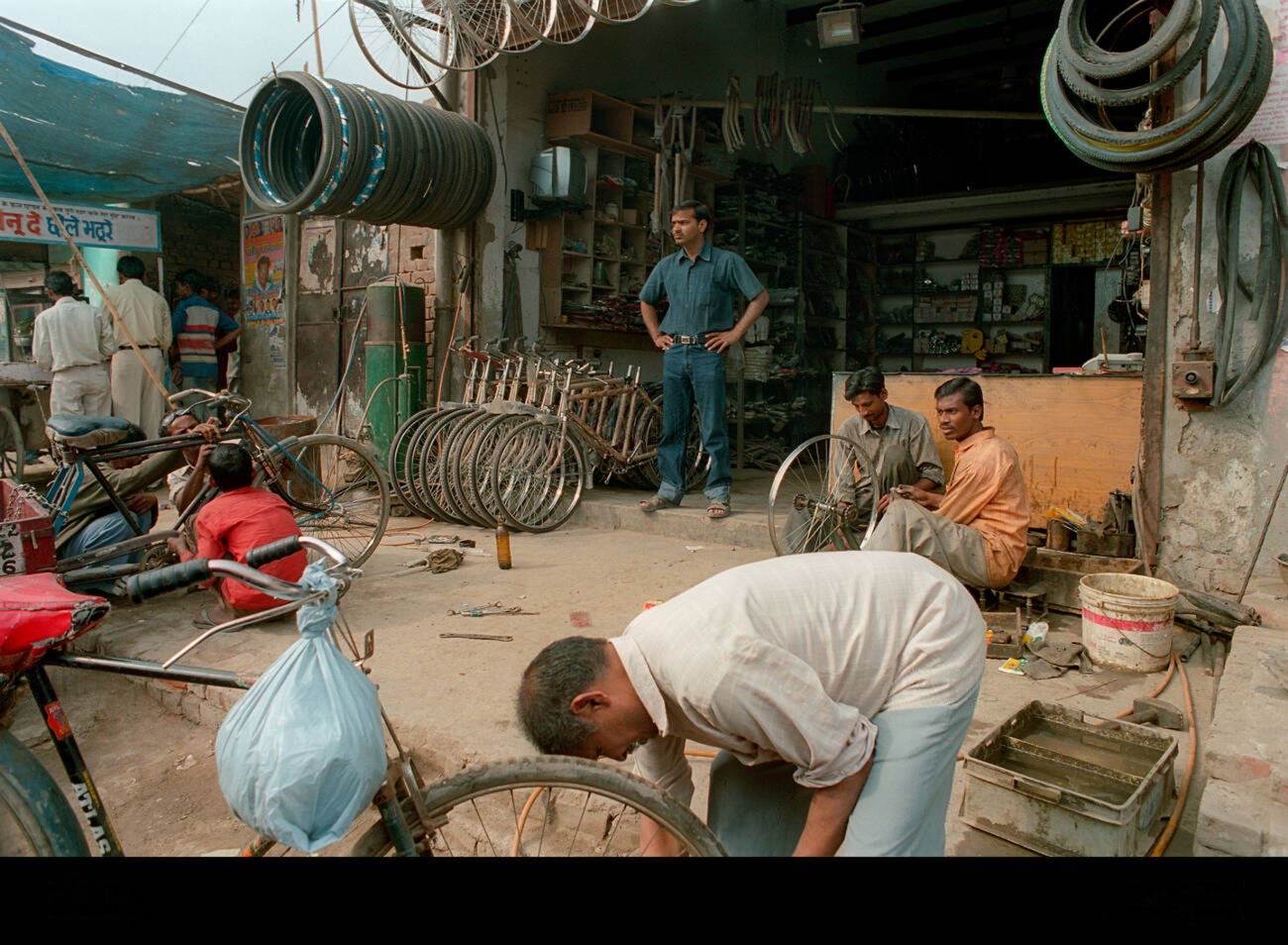
- Undervalued Service Department: The workshop was seen as a cost center, not the profit engine it could be, lacking the reliable flow of necessary parts to maximize efficiency and revenue.
The Strategic Pivot: Partnering for a Smarter Operation
The owner realized that growth required a new approach to the entire back-end of the business. The transformation was built on three pillars, enabled by a conscious decision to partner with a wholesaler aligned with their new goals.
Pillar 1: Intelligent Inventory & Purchasing
They moved from speculative buying to informed, data-driven purchasing. This meant:
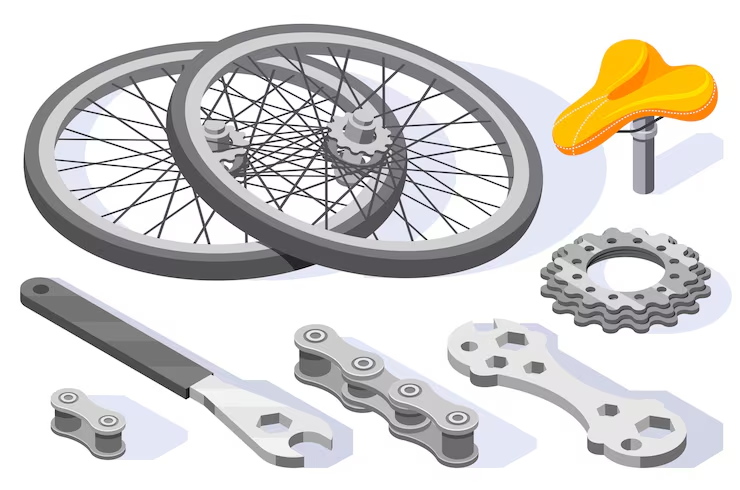
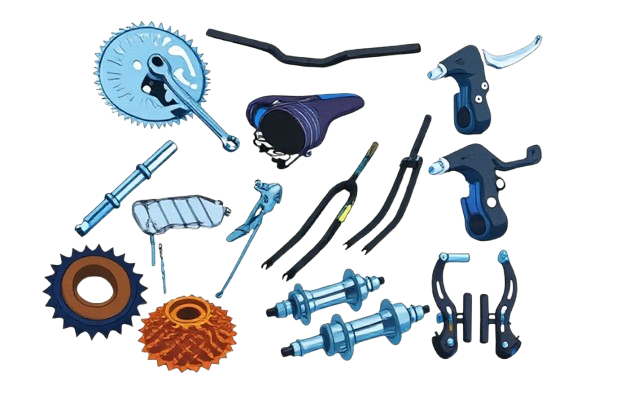
- Demand-Based Stocking: Analyzing their own sales to identify true fast-movers—the tires, tubes, chains, and popular accessories that turn over quickly—and ensuring deep, consistent stock of those items.
- The Bundle Strategy: Implementing a “build-your-bike” standard, where every new bicycle sale included a curated bundle of essential, higher-margin accessories, transforming a single transaction into a more profitable package.
- Supplier Consolidation for Reliability: They reduced the number of suppliers to focus on those who could offer consistency, range, and logistical reliability, ensuring they could get what they needed, when they needed it.
Pillar 2: Elevating the Service Experience
The shop recast its service department as the core of its customer relationships and a primary profit center.
- From Repair Shop to Service Hub: They began proactively promoting maintenance packages and seasonal tune-ups, creating predictable service revenue.
- Empowered with the Right Parts: A reliable supply of quality service parts meant repairs were completed faster, improving workshop throughput and customer satisfaction. They could confidently take on more complex jobs.
- Merchandising the Workshop: They displayed related accessories and upgrades near the service counter, leading to natural add-on sales when customers picked up their serviced bikes.
Pillar 3: Building a Loyal Community
Understanding that customer retention is more valuable than constant acquisition, they focused on creating reasons for cyclists to return.
- Creating Routine: By stocking the consumables and wear-and-tear parts local riders needed, they became the convenient, dependable destination for regular maintenance items.
- Added-Value Interactions: Staff were trained to offer genuine advice and follow-up, making every transaction a relationship-building opportunity.
The Role of the Wholesaler: The Unseen Foundation
Critically, City Cycle Hub’s shift was not something they could do alone. It was enabled by a strategic partnership with a wholesaler that acted as an extension of their business. This partner provided:
- Consistent Supply: A reliable in-stock position on the high-turnover items that form the backbone of daily sales and service.
- Operational Certainty: Streamlined logistics and dependable delivery windows that allowed for better shop scheduling and inventory planning.
- Strategic Insight: A collaborative approach to identifying market trends and product opportunities, moving beyond a basic order-taker relationship.
The Outcome: A Transformed Business Model
By implementing this framework, City Cycle Hub’s business fundamentals changed. They transitioned from a low-margin retailer of bicycles to a high-value, service-oriented cycling hub. Their revenue became more diversified and resilient, customer loyalty increased, and the constant pressure on margins subsided, replaced by a more predictable and profitable operation.
Conclusion: Your Turnaround Starts with the Right Partnership
The story of City Cycle Hub demonstrates that sustained profitability is a deliberate strategy, not an accident. It requires moving from transactional purchasing to strategic sourcing, where your wholesale partner is integral to your operational and financial health.
At Igloo Cycles, we are built to be that foundational partner. We provide the consistent supply of high-demand parts and accessories, the reliable logistics, and the collaborative support that allows shops like yours to focus on growth, customer service, and building a profitable, sustainable business.
Are you ready to build a more resilient and profitable operation?
Let Igloo Cycles be the reliable foundation of your success. Reach out to our partnership team today +91 9218097586 to discuss how we can help you streamline your sourcing strategy and unlock your shop’s full potential.